
Community
Man kills Citibank worker over $2,500 debt before security guard shoots him: HCSO
By Marcus Chen
Advertisement · Why this ad?
Marcus manages the day-to-day editorial workflow across all brands, coordinating coverage assignments and ensuring editorial standards are met. He previously served as city editor at the Pioneer Press and holds a degree in Political Science from Carleton College.
More from Marcus →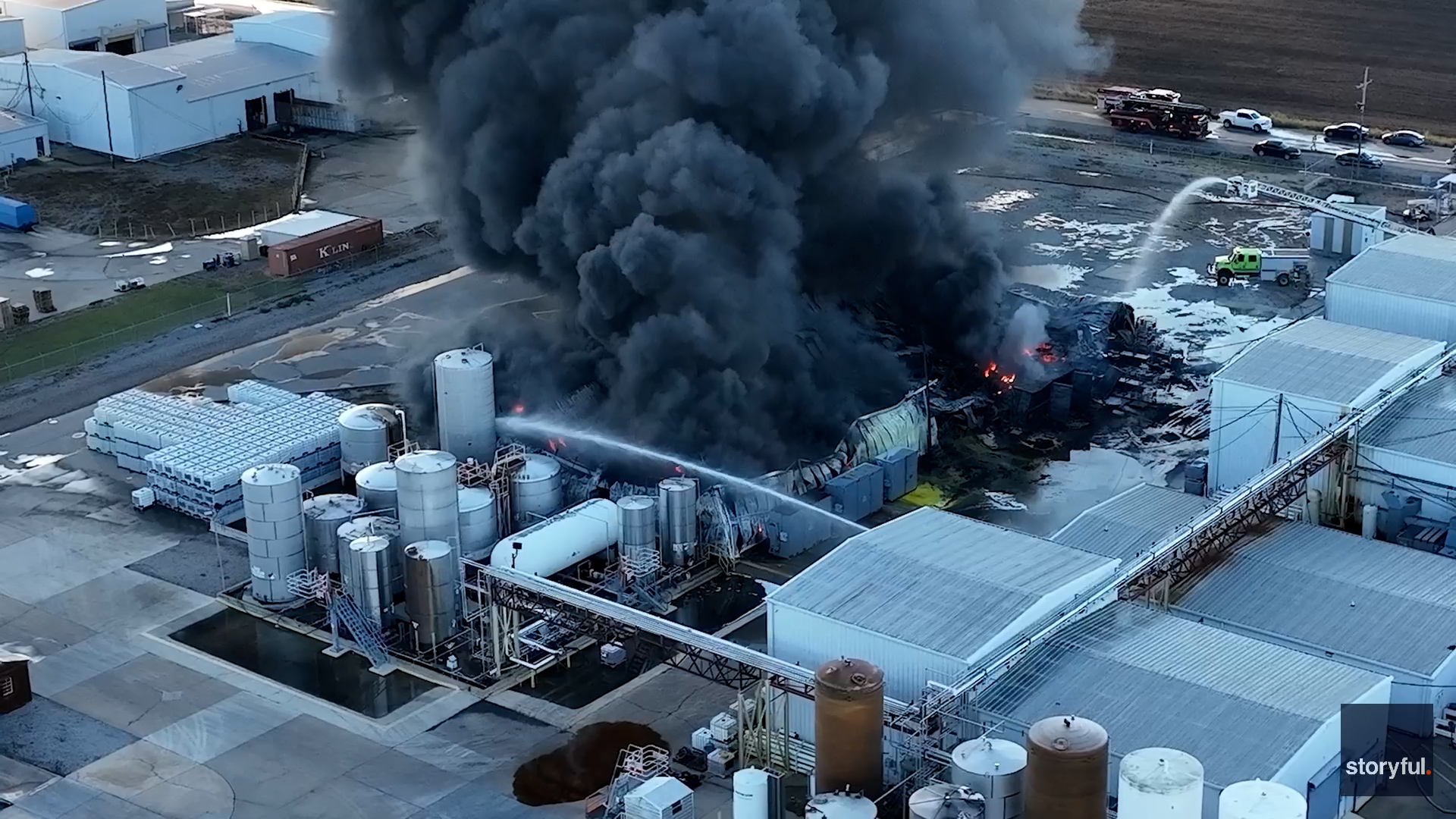
In the early morning haze of Greenville, Mississippi, a sudden explosion at the Loveland Products chemical plant shattered the quiet, sending a massive black plume into the sky and prompting a community to hold its breath. For residents waking up to the ominous sight, it was a stark reminder of the fragile line between industry and safety. The fire was contained within hours, but the incident left a lasting impression on a community built on hard work, faith, and a commitment to family.
Shortly after 7 a.m. CST Wednesday, emergency crews responded to an explosion at Loveland Products, a key player in fertilizer and crop protection manufacturing. The blast produced an extensive column of black smoke, visible for miles around, forcing authorities to issue a shelter-in-place order for residents in Greenville, a city of approximately 26,000 residents located in the Mississippi Delta. The order was lifted before noon, as firefighters successfully extinguished the blaze and environmental officials began assessing air quality impacts.
Preliminary reports from plant management indicated the explosion was linked to a fire involving a herbicide chemical. No injuries were reported, a relief for a community already rattled by the event. Local firefighters, including Sara Moreland Hester, a deputy emergency management director, worked tirelessly to contain the fire, emphasizing the quick response that likely prevented a larger catastrophe. The incident underscores the ongoing risks faced by industrial communities, where safety protocols are vital but sometimes tested by unforeseen accidents.
The community’s response was a mixture of concern, faith, and resilience. Many residents expressed relief that no injuries occurred, but the sight of the thick, dark smoke raised fears about air quality and long-term health impacts. Local churches and community organizations quickly rallied, emphasizing the importance of prayer and unity during uncertain times. Faith-based families, who often see their strength in community and divine guidance, gathered to pray for safety and swift recovery.
In Greenville’s tight-knit neighborhoods, families are accustomed to facing challenges together, whether from economic hardship or natural disasters. The incident at Loveland Products has brought to light the importance of strong marriages and families that stay committed through adversity, reflecting the community’s enduring values rooted in faith and perseverance. Local leaders and emergency officials reassured residents, emphasizing that safety remains a top priority and that ongoing air monitoring will inform any necessary health precautions.
The Mississippi Department of Environmental Quality (MDEQ) has deployed its emergency response team and air-monitoring contractors to evaluate potential health impacts. The agency’s goal is to ensure that the air remains safe for residents and to prevent any lingering environmental hazards. Officials are also investigating the cause of the explosion, which highlights the importance of rigorous safety standards in chemical manufacturing facilities. This incident serves as a reminder that industry must balance productivity with accountability, especially in communities where families depend on safe workplaces.
Looking ahead, Greenville’s local officials are expected to review safety protocols at Loveland Products, possibly implementing stricter measures to prevent future incidents. The incident also raises broader questions about industrial safety in rural America, where economic growth often comes with environmental risks. Community leaders are calling for increased transparency and investment in safety infrastructure, ensuring that families can trust their workplaces and surroundings are protected.
Greenville has long been a hub for agriculture and industry, with a history deeply intertwined with farming, manufacturing, and chemical processing. The Mississippi Delta region, often called the “Black Belt,” has a legacy rooted in cotton plantations, but over the past century, it has diversified into a mix of manufacturing and chemical production that sustains many local families. Loveland Products, founded in 1954 and acquired by Nutrien in 2018, has become a cornerstone of this industrial landscape, providing essential products for farmers across the country.
However, the community has also faced its share of environmental challenges. Past incidents involving chemical plants and manufacturing facilities have raised concerns about pollution and safety. This recent explosion underscores the ongoing need for vigilance and stronger safety standards to protect both workers and residents. Local environmental advocates and community watchdog groups have often called for increased oversight, especially given the region’s history of environmental justice issues.
Among those affected is the Johnson family, who have lived near the plant for over three decades. Patricia Johnson, a mother of four, described waking up to the sight of the black smoke and feeling a surge of fear for her children’s health. “We’ve seen storms and floods, but this was different. It’s a reminder that we have to stay vigilant and trust that the community and safety officials are doing everything they can,” she said.
Meanwhile, local firefighter Sara Moreland Hester, who responded to the scene, emphasized the importance of community cooperation. “We train for incidents like this, but nothing prepares you for the real thing. Our priority is to keep everyone safe and to make sure this doesn’t happen again,” she stated. Her dedication reflects the resilience of Greenville’s emergency services, which operate under tight budgets but with a deep commitment to community safety.
This incident is more than just a news headline; it hits at the heart of Greenville’s identity as a community that relies heavily on industry for economic stability. The region’s economy depends on manufacturing, agriculture, and chemical processing, which provide jobs and support local families. Yet, these industries also pose risks—risks that the community continues to grapple with.
For many residents, the explosion is a stark reminder of the importance of safety and environmental stewardship. It has sparked conversations about how to better protect workers and neighbors, and how to ensure that economic development does not come at the expense of health and safety. Local officials have promised to hold the plant accountable and to work toward safer practices.
As investigations proceed, the community remains vigilant. The Mississippi Department of Environmental Quality (MDEQ) will continue air quality monitoring and assess potential long-term health effects. The agency has also indicated it will review safety protocols at Loveland Products and other local facilities to prevent future incidents.
In addition, local leaders are calling for increased transparency and community engagement, including public forums to discuss safety concerns and environmental impacts. The Greenville City Council has scheduled a special meeting to review safety policies and to hear from residents about their concerns.
On a broader scale, this incident has reignited discussions about the need for stronger federal regulations governing chemical manufacturing plants, especially in rural and underserved areas. Advocacy groups are urging policymakers to prioritize safety investments and environmental protections, recognizing that communities like Greenville are vital to national food security and economic stability.
For now, Greenville’s residents are leaning on their faith, their families, and each other. The community’s resilience—born from generations of overcoming adversity—will be essential in the days and weeks ahead. As cleanup and investigations continue, the community’s shared hope is that such incidents become rare, and that safety remains a top priority for all who call Greenville home.
By Marcus Chen

By Marcus Chen
By Katherine Langford

By Marcus Chen