
Community
Two-time ‘Jeopardy!’ champion arrested on child porn charges while on probation: officials
By Katherine Langford
Advertisement · Why this ad?
Marcus manages the day-to-day editorial workflow across all brands, coordinating coverage assignments and ensuring editorial standards are met. He previously served as city editor at the Pioneer Press and holds a degree in Political Science from Carleton College.
More from Marcus →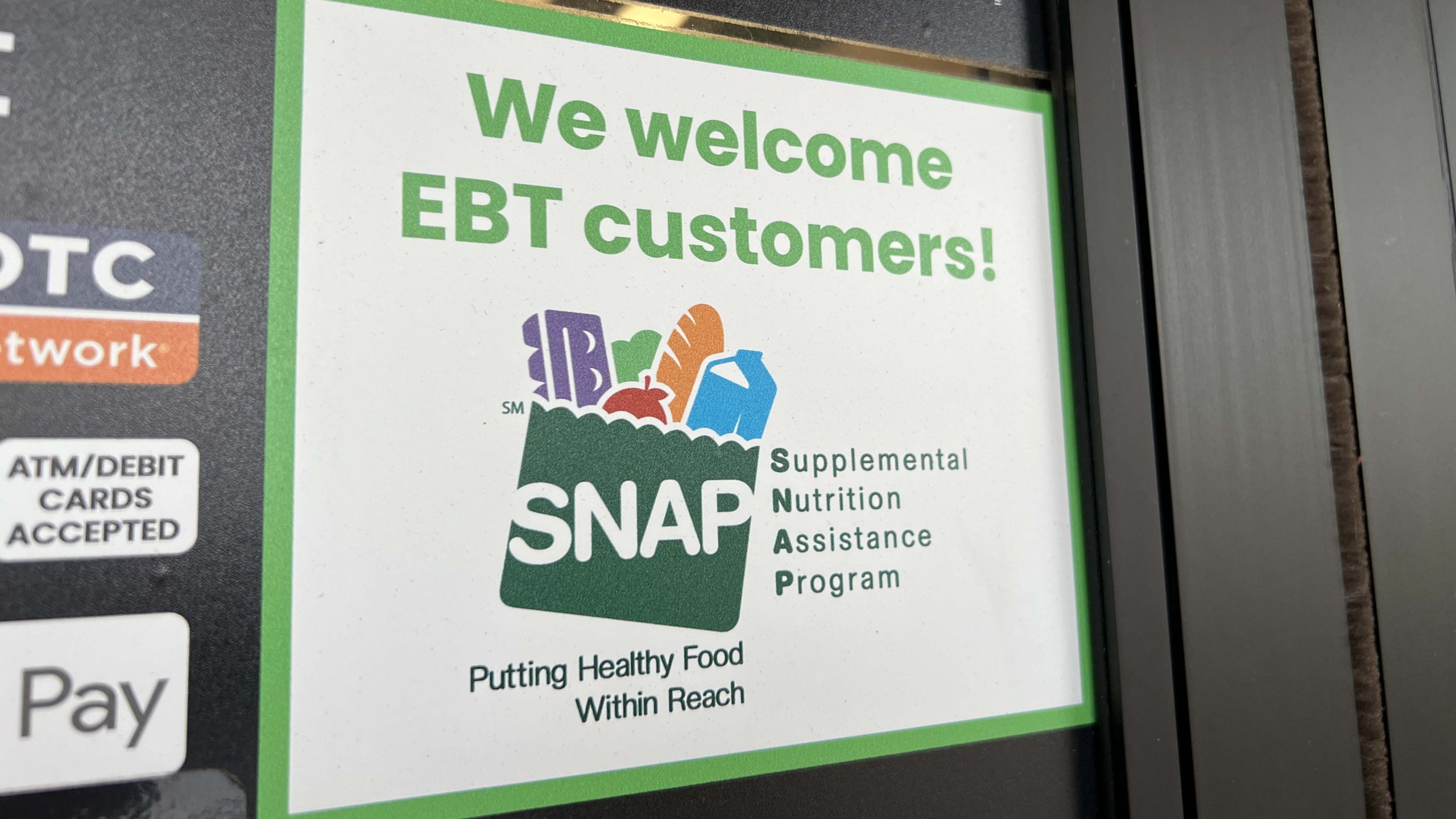
```json { "content": "
As states across the nation grapple with public health challenges and the responsible stewardship of taxpayer funds, families relying on the Supplemental Nutrition Assistance Program (SNAP) benefits are facing significant new adjustments. Starting November 1, four more states—Montana, North Dakota, South Carolina, and Virginia—will enforce restrictions that could reshape grocery lists for millions of households, adding another layer of complexity to the already challenging task of providing nutritious meals. This policy shift affects low-income families in our community, forcing many to rethink their grocery shopping habits and potentially seek additional support.
\n\nThese new regulations ban SNAP recipients from using their taxpayer-funded benefits to purchase what is broadly defined as 'junk food,' a move designed to encourage healthier eating habits and reduce the long-term healthcare burden associated with diet-related illnesses. The decision, which follows discussions initiated in early 2023 and subsequent legislative actions mid-year, will directly impact an estimated 1.5 million SNAP recipients across these four states, joining others like Maine, Massachusetts, New York, Pennsylvania, and West Virginia who already have similar restrictions in place.
\n\n\n\nThe Supplemental Nutrition Assistance Program (SNAP), a vital federal program administered by the U.S. Department of Agriculture (USDA), provides crucial food assistance to eligible low-income individuals and families. For many households, particularly those led by single parents striving to provide for their children, these benefits represent the cornerstone of their weekly food budget. The new restrictions aim to guide these funds towards more wholesome options, reflecting a growing national conversation about public health and the role of government in fostering well-being.
\n\nThe definition of 'junk food' varies by state but commonly includes items such as sugary drinks, candy, chips, desserts, and highly processed snacks. Some states have opted to use the list of WIC-eligible foods as a guideline, focusing on nutrient-dense options like fruits, vegetables, whole grains, and lean proteins. This approach seeks to align SNAP purchases with established nutritional standards, hoping to mitigate the rising rates of obesity and diabetes that place a significant strain on our healthcare system and diminish the quality of life for countless Americans.
\n\nProponents of these bans emphasize the importance of responsible stewardship of public funds. Governor Sarah Jenkins of Montana articulated this sentiment, stating, "This is about ensuring public funds support public health, not unhealthy habits. Our goal is to foster healthier communities and reduce the long-term healthcare burden." This perspective resonates with many who believe that taxpayer dollars should be directed towards choices that genuinely uplift and strengthen families, promoting a foundation of good health from which they can thrive.
\n\nWhile the intent behind these restrictions is rooted in improving public health, they have sparked a robust debate among advocates and policymakers. A spokesperson for the North Dakota Department of Health reported, "We've seen positive changes in purchasing habits in states where similar restrictions are already in place. It's a step towards better public health outcomes." This suggests that such policies can indeed nudge consumers towards more nutritious selections, potentially leading to a healthier populace over time.
\n\nHowever, critics voice concerns about the potential for stigmatization and the practical challenges these bans impose on struggling families. Dr. Lena Khan, Director of the National Food Security Alliance, commented, "While the intent might be good, these bans often disproportionately affect low-income families, adding another layer of stress and judgment to their lives. True food security means access to nutritious and culturally appropriate foods, without shame." This highlights the delicate balance between encouraging healthy choices and respecting the autonomy and dignity of individuals.
\n\n\n\nFor single parents navigating tight food budgets, these restrictions can mean fewer convenient options for busy weeknights or a greater struggle to find affordable, healthy alternatives that children will eat. Maria Rodriguez, CEO of Families First Coalition, argued, "The administrative burden and potential for stigmatization outweigh the purported benefits. We need to address poverty, not police grocery carts." Her words underscore the need for comprehensive solutions that tackle the root causes of food insecurity, rather than just regulating symptoms.
\n\nThe federal government, through the USDA, has historically resisted implementing a nationwide ban on specific foods within SNAP, citing administrative complexity and the potential for stigmatization. However, states can apply for state-specific waivers to enact their own restrictions, as these four states have done. Policy analyst David Lee noted that "The estimated annual savings from such restrictions, if implemented nationwide, could exceed $1.5 billion, according to a 2017 USDA report," adding another dimension to the ongoing discussion about fiscal responsibility and public welfare.
\n\nFor residents of Edina and across Minnesota, it's important to note that our state's SNAP program remains unchanged by these new regulations. While the national conversation about food restrictions continues, Minnesota has not implemented similar junk food bans. Our state's approach, often guided by the Minnesota Department of Health, focuses on promoting nutrition education through programs like SNAP-Ed and ensuring broad access to diverse food options for all eligible residents, recognizing the complex factors that contribute to SNAP eligibility requirements and food choices.
\n\nHowever, the national debate still resonates locally. Our community understands the importance of strong, intact families and the role that wholesome nutrition plays in their well-being. Organizations like Hunger Solutions Minnesota and local Minnesota food banks continue to serve as vital resources, often seeing increased demand as families navigate economic pressures and seek healthier options. These local efforts underscore a shared commitment to ensuring that every child has access to nourishing food, regardless of their family's financial circumstances.
\n\n\n\nThe broader economic impact of SNAP extends beyond individual households, influencing local economies and agricultural markets. As states experiment with different approaches to food assistance, the outcomes will be closely watched by policymakers, public health experts, and global health organizations alike. The goal remains consistent: to foster environments where families can thrive, make healthy choices, and build stable, productive lives.
\n\nAs the November deadline approaches for Montana, North Dakota, South Carolina, and Virginia, the conversation about food assistance will undoubtedly continue. It is a dialogue that requires empathy, practical solutions, and a steadfast commitment to supporting the foundational unit of our society: the family. Whether through state-level restrictions or community-led initiatives, the ultimate aim is to empower families to make choices that lead to lasting health and prosperity, ensuring that all children have the opportunity to grow up strong and well-nourished. Resources like Edina Human Services are always available to help local families connect with the support they need.
", "imageAlt": "Family thoughtfully selecting fresh produce in a grocery store aisle, symbolizing healthy choices and responsible budgeting.", "imageAlts": [ "A diverse family, including parents and children, smiling while shopping for fresh fruits and vegetables.", "An EBT card being swiped at a grocery store checkout, with healthy food items in the cart.", "Volunteers sorting donations at a bustling community food bank, assisting families in need." ], "imageSearchTerms": [ "Family grocery shopping healthy food", "SNAP EBT card grocery store", "Community food bank volunteers" ], "metaDescription": "Four states implement new SNAP restrictions banning 'junk food' purchases starting November 1, impacting 1.5 million families. MN Current explores the debate and local implications.", "externalLinks": [ { "url": "https://www.fns.usda.gov/snap/supplemental-nutrition-assistance-program", "text": "Supplemental Nutrition Assistance Program (SNAP)" }, { "url": "https://www.fns.usda.gov/wic", "text": "WIC-eligible foods" }, { "url": "https://www.cdc.gov/obesity/data/adult.html", "text": "rising rates of obesity and diabetes" }, { "url": "https://www.fns.usda.gov/snap/state-options-food-restrictions", "text": "state-specific waivers" }, { "url": "https://www.health.state.mn.us/data/food/index.html", "text": "Minnesota Department of Health" }, { "url": "https://www.fns.usda.gov/snap/nutrition-education", "text": "SNAP-Ed" }, { "url": "https://www.fns.usda.gov/snap/eligibility", "text": "SNAP eligibility requirements" }, { "url": "https://www.hungersolutions.org/", "text": "Hunger Solutions Minnesota" }, { "url": "https://www.mnfoodbanks.org/", "text": "Minnesota food banks" }, { "url": "https://www.fns.usda.gov/snap/impact-snap", "text": "economic impact of SNAP" }, { "url": "https://www.who.int/news-room/fact-sheets/detail/healthy-diet", "text": "global health organizations" }, { "url": "https://www.edinamn.gov/136/Human-Services", "text": "Edina Human Services" }By Katherine Langford

By Katherine Langford

By Marcus Chen

By Marcus Chen