
Health
Apple-Tarragon Turkey Sloppy Joes
By Katherine Langford
Advertisement · Why this ad?
Marcus manages the day-to-day editorial workflow across all brands, coordinating coverage assignments and ensuring editorial standards are met. He previously served as city editor at the Pioneer Press and holds a degree in Political Science from Carleton College.
More from Marcus →
On a sunny afternoon in Edina, a local woman named Linda sat in her living room, reflecting on her health journey. After years of battling symptoms that baffled her doctors, she received a diagnosis of multiple sclerosis (MS). It wasn’t until a second opinion that she learned she had been misdiagnosed. This revelation not only changed her treatment plan but also sparked an urgent conversation about the prevalence of misdiagnosis in the medical field.
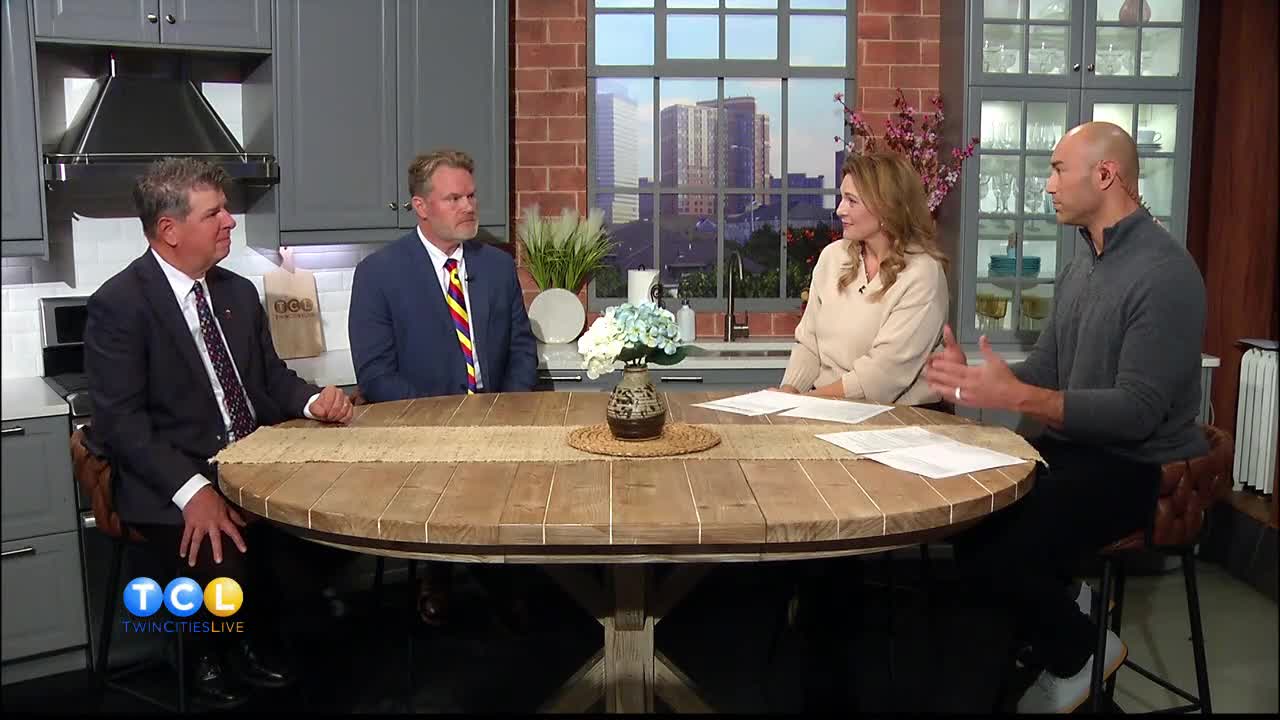
Recently, actress Christina Applegate revealed that she had been misdiagnosed with multiple sclerosis after five years of living with the condition. This shocking admission has brought the issue of misdiagnoses into the spotlight, prompting discussions among healthcare professionals and patients alike. Dr. Archelle Georgiou, a prominent physician, appeared on Minnesota Live to discuss the complexities surrounding misdiagnoses and how they can occur even among experienced doctors.
Misdiagnosis can stem from various factors, including overlapping symptoms, lack of information, and even cognitive biases that can cloud a physician's judgment. As Dr. Georgiou explained, the human body is complex, and symptoms can often lead to multiple possible diagnoses. This complexity is exacerbated by the varying levels of expertise among healthcare providers.
According to a study published by the National Institutes of Health, misdiagnoses occur in approximately 10-20% of cases. This statistic highlights a significant issue within the healthcare system that can have devastating consequences for patients. Misdiagnosis can lead to unnecessary treatments, delayed care, and a worsening of the actual condition.
Dr. Georgiou emphasized that misdiagnoses are not always the fault of the doctors; sometimes, patients may present symptoms that do not align neatly with any one condition. For example, symptoms of MS, such as fatigue and numbness, can also be indicative of other neurological disorders. This overlap can lead to confusion and misinterpretation.
Linda’s experience is a testament to the importance of patient advocacy and seeking second opinions. After her initial diagnosis, she felt relief but soon realized her symptoms were not improving. It was only after she consulted another specialist that she learned her true condition, which required a different treatment approach.
Patient advocacy plays a crucial role in mitigating the risks of misdiagnosis. Individuals must feel empowered to ask questions, seek second opinions, and advocate for their health. Dr. Georgiou encourages patients to maintain an open dialogue with their healthcare providers and to be persistent in seeking answers. This approach not only helps in obtaining accurate diagnoses but also fosters a sense of agency in patients, which can be crucial for their overall well-being.
In Edina, the conversation around misdiagnosis resonates deeply with residents. Many families have faced the challenges of navigating the healthcare system, often feeling overwhelmed by conflicting information and advice. Local support groups, such as the Edina Health Department, provide resources and education to help residents understand their health conditions better.
Community forums have emerged as platforms where residents can share their experiences and learn from one another. These gatherings not only provide support but also foster a sense of solidarity among those who have faced similar health challenges. The stories shared in these forums highlight the importance of listening to one’s body and advocating for appropriate care. For instance, a recent meeting at the Edina Community Center featured a panel of healthcare professionals who discussed common misdiagnoses and shared strategies for effective communication with doctors. This event drew a diverse crowd, illustrating the community's commitment to improving health literacy.
Among the residents of Edina, there are numerous personal stories that exemplify the struggles and triumphs associated with misdiagnosis. One local hero, Sarah, a nurse who has worked in the Edina area for over a decade, shared her own journey. After experiencing debilitating migraines for years, she was initially diagnosed with chronic migraine disorder. However, after seeking a second opinion, she discovered she had a rare neurological condition that required a completely different treatment plan. Sarah now advocates for better communication between patients and healthcare providers, emphasizing that patients should never hesitate to seek additional opinions if they feel their concerns are not being addressed.
These personal anecdotes are crucial in shaping community understanding and awareness about health issues. They serve to remind others that they are not alone in their struggles and that there is always hope for accurate diagnosis and effective treatment. Additionally, Sarah collaborates with local schools to educate students about the importance of health literacy, emphasizing the need for young people to understand their bodies and advocate for themselves.
To combat the issue of misdiagnosis, various resources are available for patients in Edina. The Edina School District has initiated health education programs that inform students and families about health literacy, emphasizing the importance of understanding symptoms and seeking proper medical advice.
Additionally, organizations such as the Mayo Clinic offer comprehensive guides on how to effectively communicate with healthcare providers. These resources aim to empower patients to take charge of their health and ensure they receive accurate diagnoses. Furthermore, the Edina Health Department has launched a series of workshops focusing on patient rights and responsibilities, helping residents understand how to navigate the healthcare system more effectively.
Local libraries also play an essential role by hosting informational sessions led by healthcare professionals, where residents can learn about various health topics, including how to spot potential misdiagnoses. These sessions encourage community engagement and provide a platform for residents to ask questions and share their experiences, fostering a culture of collaboration and support.
As the conversation around misdiagnosis continues to unfold, it is essential for both patients and healthcare providers to remain vigilant. Dr. Georgiou’s insights serve as a reminder that while the healthcare system is designed to help, it is not infallible. By fostering a culture of open communication and patient advocacy, the community can work together to reduce the incidence of misdiagnoses.
For residents of Edina, the path forward includes engaging with local health initiatives and participating in community health discussions. As more individuals share their stories and experiences, the community can grow stronger and more informed, ultimately leading to better health outcomes for all. The Edina Health Department is also planning a health fair later this year, aimed at connecting residents with healthcare providers and resources, further solidifying the community’s commitment to health literacy and advocacy. This fair will offer free health screenings, workshops on effective communication with doctors, and opportunities to meet local specialists, ensuring that residents leave empowered and informed about their health.
By Katherine Langford
By Katherine Langford
By Marcus Chen

By Marcus Chen