Sports
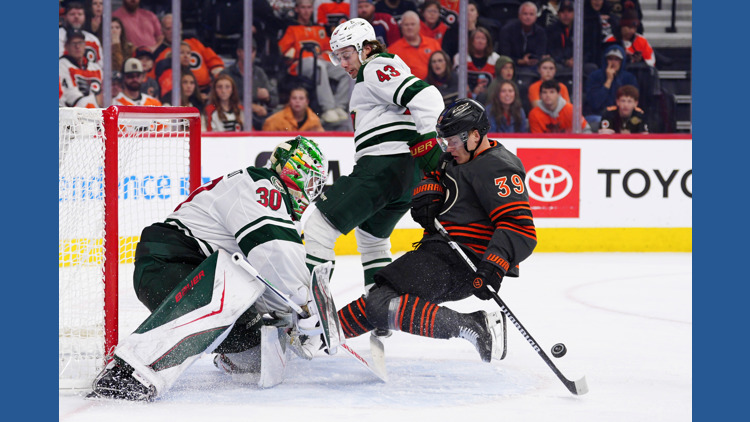
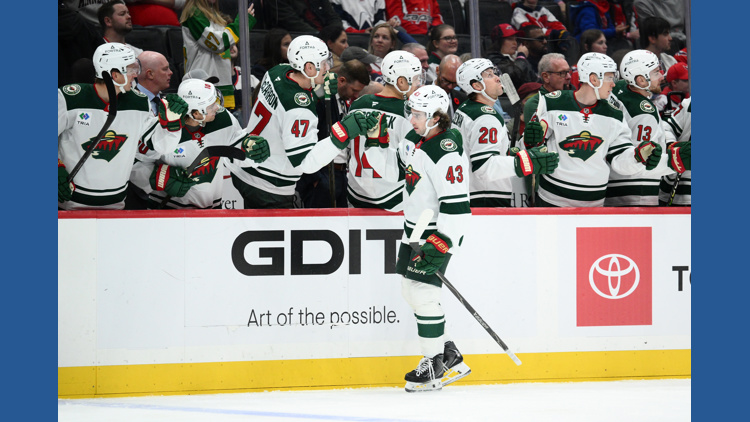
Wild beat Flyers 4-2 after referee deflection leads to game-winning goal
By Katherine Langford
Advertisement · Why this ad?
Katherine oversees editorial operations across all six brands. Before joining The Meridan Group, she spent 14 years at the Minneapolis Star Tribune, where she led the metro desk through its digital transformation. She holds a Master's in Journalism from Northwestern's Medill School.
More from Katherine →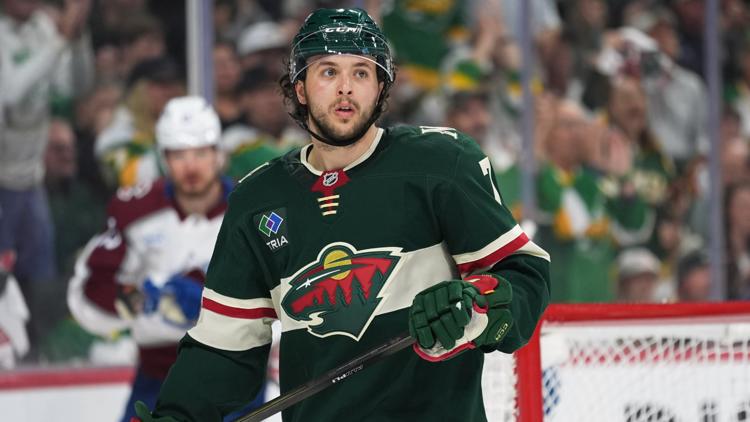
As the sun dipped below the horizon in Edina, the crisp autumn air buzzed with anticipation. Local hockey fans gathered at the rink, their eyes fixed on the ice, where a familiar figure was preparing to make his return. Brock Faber, the Maple Grove native and defenseman for the Minnesota Wild, was back on the ice after a harrowing injury that had sidelined him since September 25. The moment he stepped onto the rink, cheers erupted, a testament to the community's support for one of its own.
On that fateful night in late September, during the Wild's final preseason game, Faber faced a life-altering moment. A puck struck him on the side of his head, resulting in a fractured skull. The incident not only raised concerns about his immediate health but also cast a shadow over the Wild's defensive lineup as they prepared for the regular season. Fortunately, Faber received prompt medical attention, and after a series of evaluations, he was cleared to return to the ice.
Faber's injury was a stark reminder of the risks athletes face in contact sports. Yet, his determination to recover quickly and rejoin his teammates illustrated not only his commitment to the game but also his resilience in the face of adversity. As he skated in practice, the relief among fans and teammates was palpable; they had witnessed the severity of his injury and were eager to see him back in action.
The response from the Edina community was one of overwhelming support. Local schools and hockey clubs rallied around Faber, organizing events to raise awareness about player safety and the importance of protective gear. Parents and coaches emphasized the need for vigilance on the ice, ensuring that young athletes understand the potential dangers of the sport. These initiatives included workshops and seminars featuring experts in sports medicine, who spoke about concussion awareness and the importance of proper safety equipment.
In addition to organized events, many local businesses stepped up to show their support for Faber. Ice rinks in the area displayed signs encouraging a speedy recovery, and local restaurants held fundraisers to benefit youth hockey programs, ensuring that young players have access to the best protective gear available. The community's collective effort not only highlighted their admiration for Faber but also reinforced the importance of safety in youth sports.
Local high school hockey teams, such as the Edina Hornets, have also joined the movement, integrating safety protocols into their training regimens. Coaches have reported a renewed focus on teaching young players about the risks associated with head injuries, making Faber's experience a catalyst for change in the way hockey is taught at the grassroots level.
Faber's teammates also played a crucial role in his recovery. Many reached out during his rehabilitation, sending messages of encouragement and support. Captain Jared Spurgeon noted, “Brock is a huge part of our team, not just on the ice but in the locker room as well. We all missed him, and having him back is a big boost for us.” Such camaraderie is essential in professional sports, where mental and emotional support can significantly influence an athlete's recovery process.
Faber’s return was not just a personal milestone; it was a moment of unity for the team. The Wild's locker room atmosphere shifted positively with his presence, as players rallied around him, sharing stories and laughter that had been missed during his absence. Teammates described their relief at seeing him back on the ice, emphasizing how his energy and spirit uplifted the entire team dynamic.
Additionally, Faber's return has inspired younger players within the organization. During a recent youth camp, coaches referenced Faber's journey, encouraging kids to stay committed to their training and to prioritize their health. Young athletes expressed excitement at the prospect of watching Faber play again, viewing him as a role model who embodies perseverance.
Faber's rehabilitation journey was not without its challenges. Following the injury, he underwent a strict recovery protocol, which included rest and gradual reintroduction to physical activity. Medical professionals monitored his progress closely, ensuring that he was ready to return without risking further injury. This careful approach underscores the importance of player health in professional sports, where the pressure to perform can often overshadow personal well-being.
As he resumed skating, Faber expressed gratitude for the support he received from the medical staff, his teammates, and the community. “It was tough being away from the game I love, but I knew I had to take the time to heal properly,” he shared. “Having everyone behind me made a huge difference.” His words resonated deeply with fans, many of whom had followed his journey closely through social media updates and local news coverage.
Moreover, Faber's experience has sparked conversations about the need for enhanced safety measures in hockey. Local parents have begun advocating for better training for coaches regarding concussion protocols and injury management, hoping to create a safer environment for young athletes. Faber's incident has become a rallying point for these discussions, emphasizing the need for vigilance and education in youth sports. The Edina Hockey Association has announced plans to implement mandatory training sessions for coaches, focusing on injury recognition and prevention.
Looking ahead, Faber is eager to reintegrate into the Wild's lineup as they embark on their regular season journey. His return not only strengthens the team's defense but also serves as a beacon of hope for young athletes in Edina and beyond. The message is clear: perseverance in the face of adversity is a hallmark of true sportsmanship.
As the Wild prepare for their upcoming games, fans are reminded of the importance of safety in sports. Faber's experience highlights the need for ongoing conversations about player health, protective measures, and the responsibilities of coaches and parents in ensuring the safety of young athletes. The community's commitment to fostering a safe environment for sports will undoubtedly shape the next generation of players.
In conclusion, Brock Faber’s return to the ice is more than just a personal victory; it symbolizes the strength of community, the importance of resilience, and the unwavering support that defines Edina. As Faber continues his journey with the Minnesota Wild, the eyes of the community will be watching, cheering him on not just as a player, but as a role model for perseverance and commitment. His story serves as an inspiration, reminding us all that while injuries may set us back, the support of a community can propel us forward.
By Katherine Langford
By Katherine Langford
By Katherine Langford
By Marcus Chen